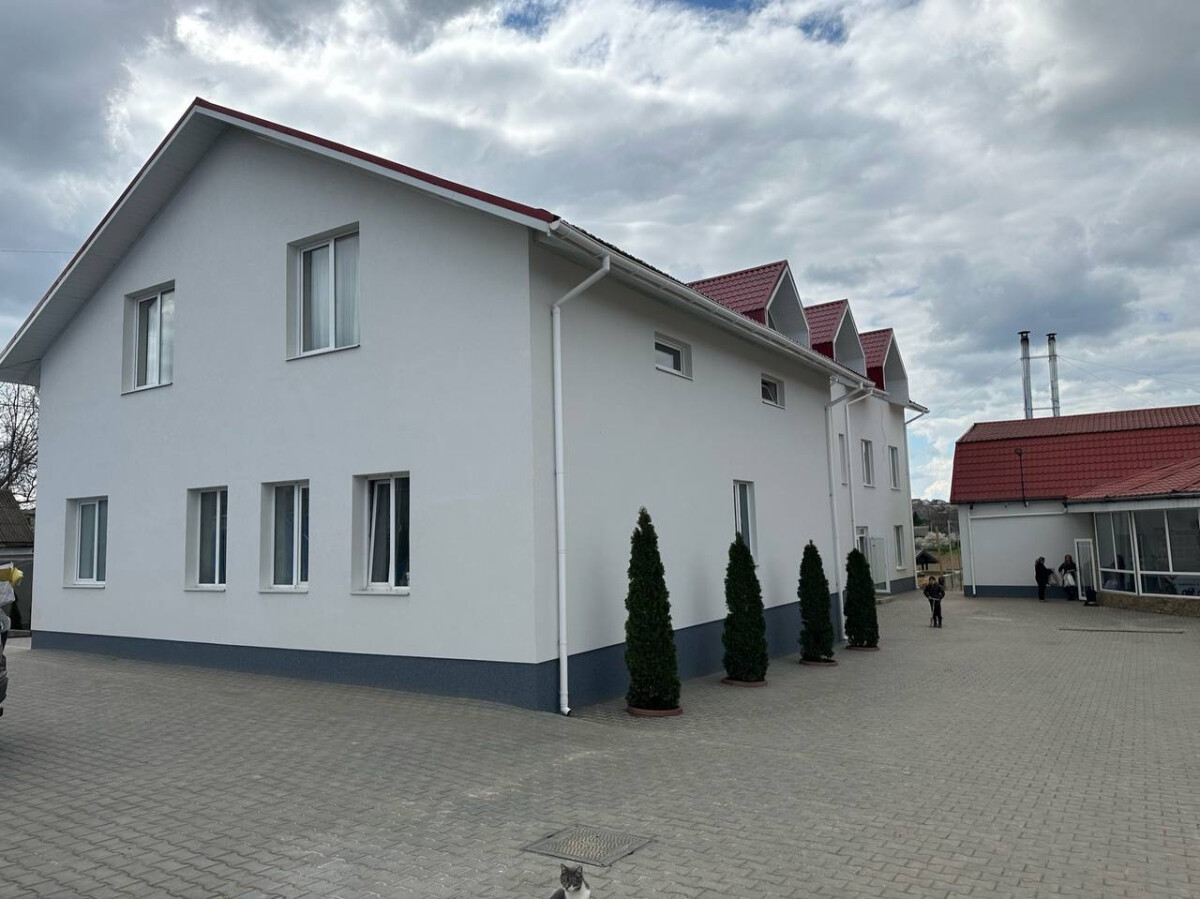
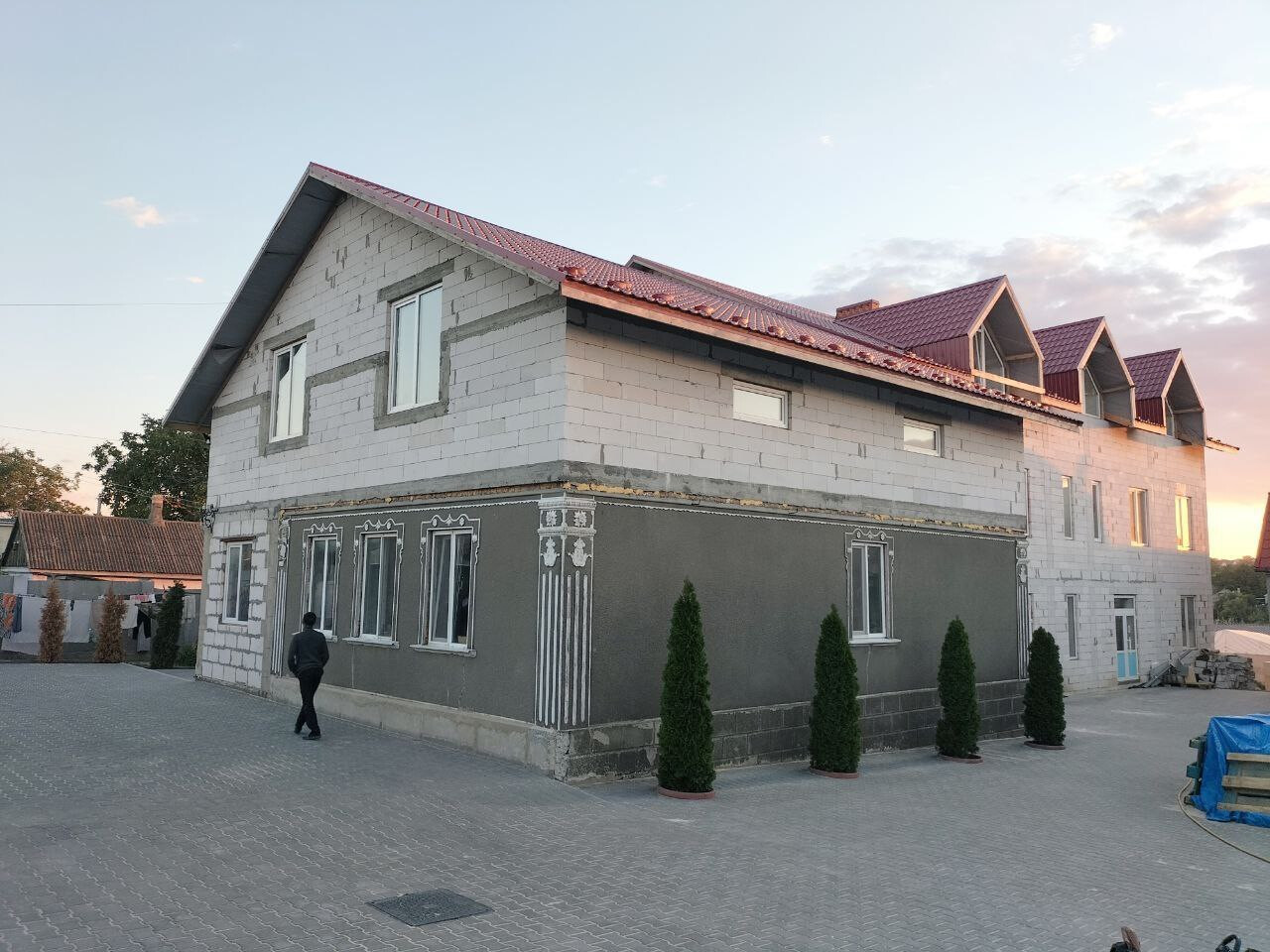
The construction of the Mother and Child Home was completed, and on September 1, 2023, it officially opened its doors.
Every year in Ukraine, the number of women who find themselves homeless with their children is growing. Often, this happens after experiencing violence, losing support, or facing economic hardship. Some of them turn to social services. Others are brought in already in critical condition—when the issue is no longer about comfort, but about whether the child will remain with the mother.
In such situations, there are no alternatives. There is nowhere else to go.
That is precisely why the Mother and Child Shelter in the Odesa region was established—not as a response to a theoretical problem, but to real-life stories.
The idea for this project did not originate in an office. It emerged from practical experience. The “New Life” mission regularly encountered women who were fleeing violence or had been left homeless along with their children. Often these were mothers with infants, without support and without knowing what to do next.
It became clear: one-off assistance does not solve the problem.
What was needed was a place where a woman and her child could not only spend the night, but also recover, learn to live a stable life, and keep their family together.
That is how the decision to build a separate Mother and Child Home came about.
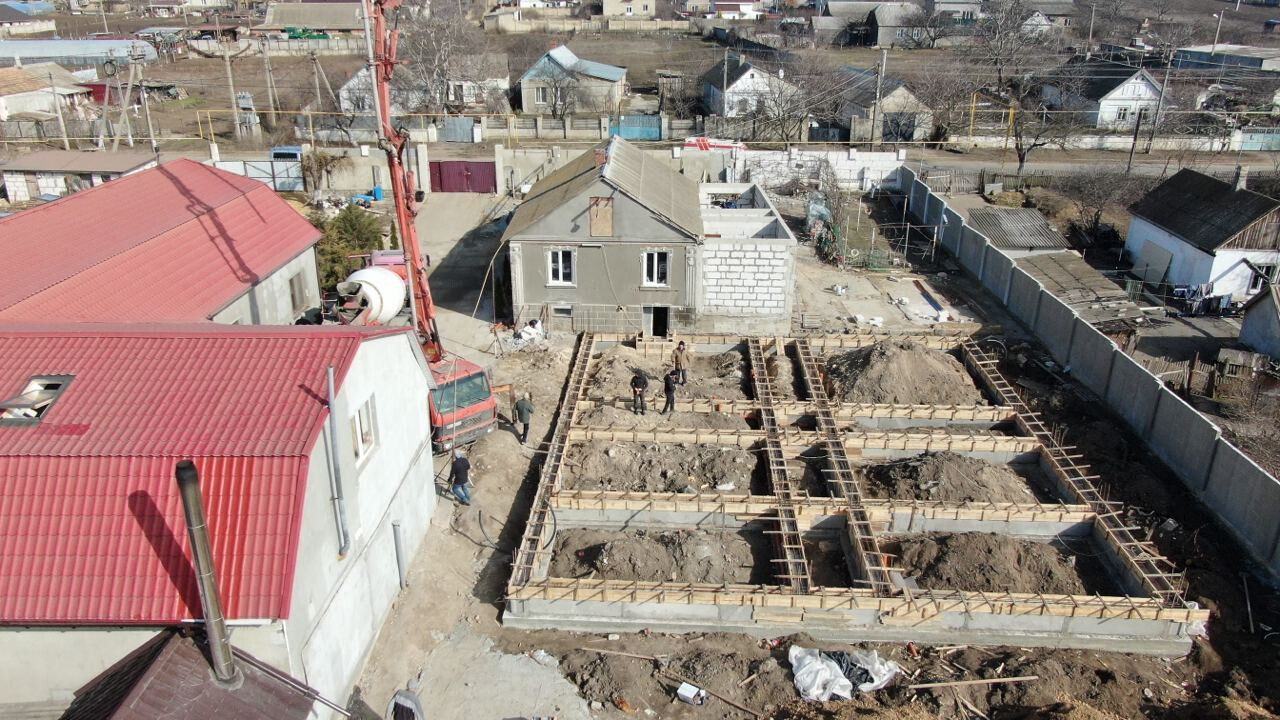
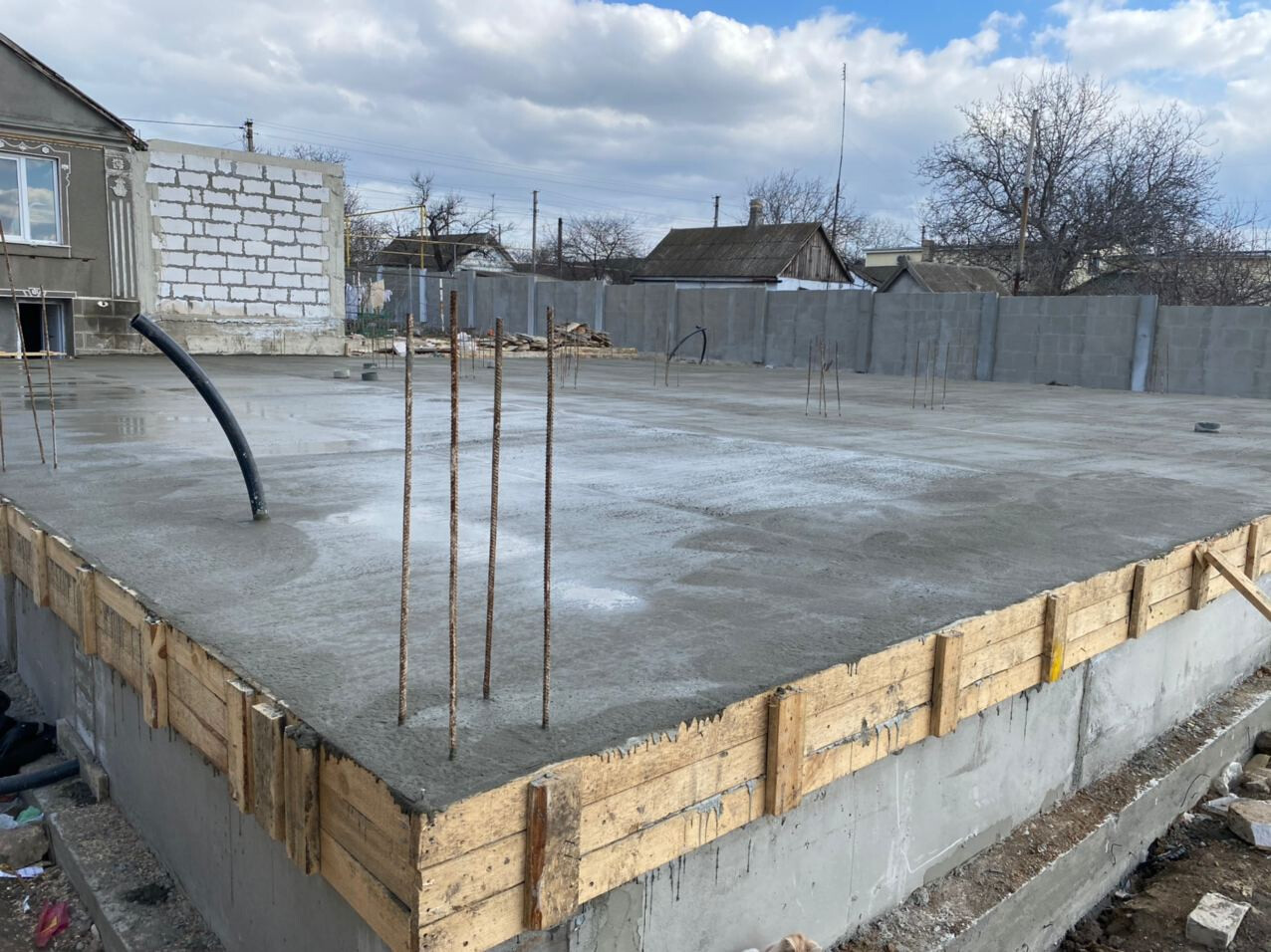
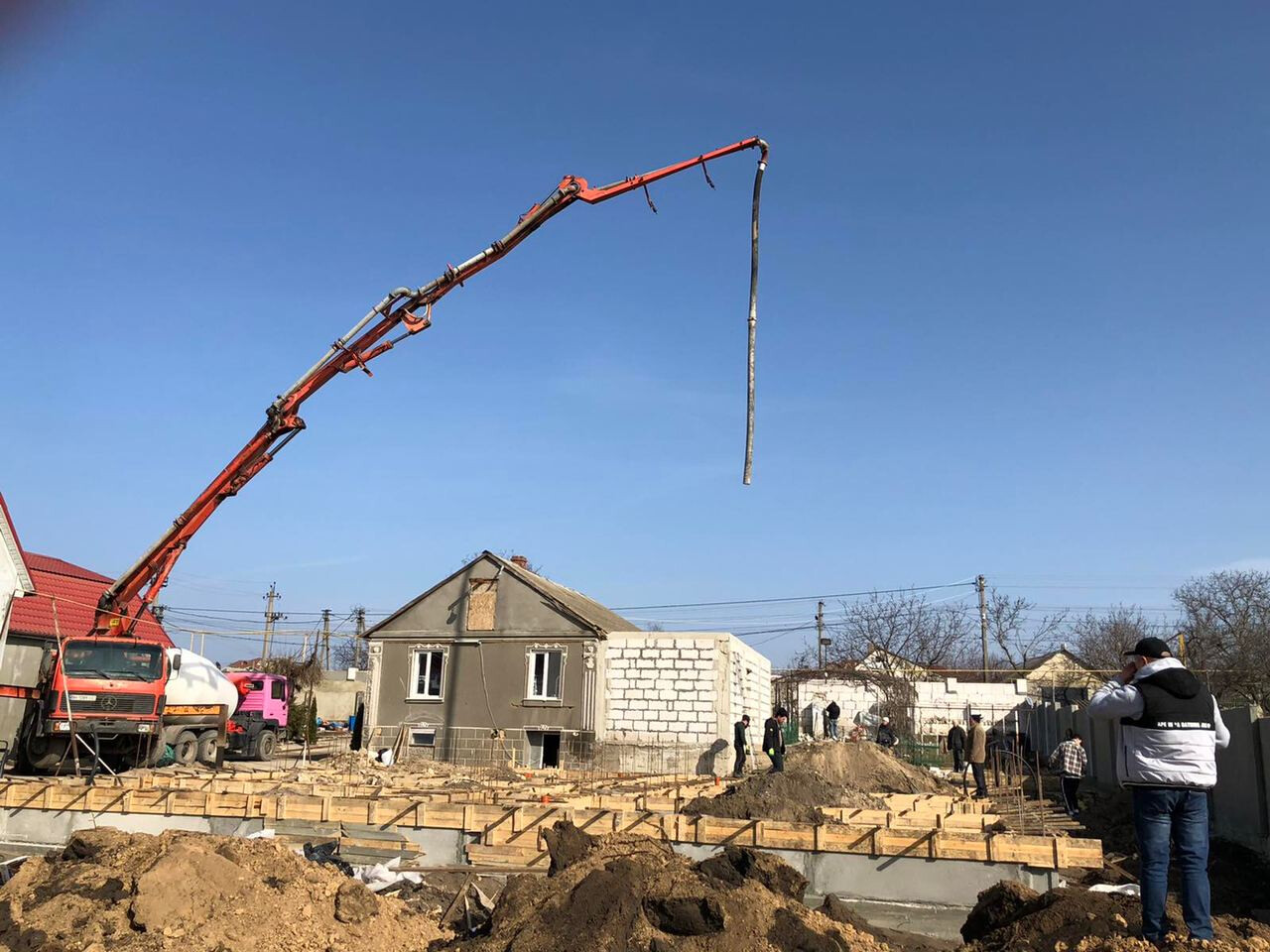
In January 2021, with the support of the international organization Giving Hearts Int., the foundation for the future home was laid in the village of Velykyi Dalnyk.
At that point, it all looked like a typical social project with clear deadlines: to complete construction by the end of 2022.
But in February 2022, a full-scale war broke out.
And at that moment, there was every reason for construction to stop.
Funding became unstable. Some resources disappeared. Logistics became complicated. Building materials became more expensive or unavailable. Any planning lost its predictability.
But at the same time, the need for the project itself grew sharply.
Construction was not put on hold.
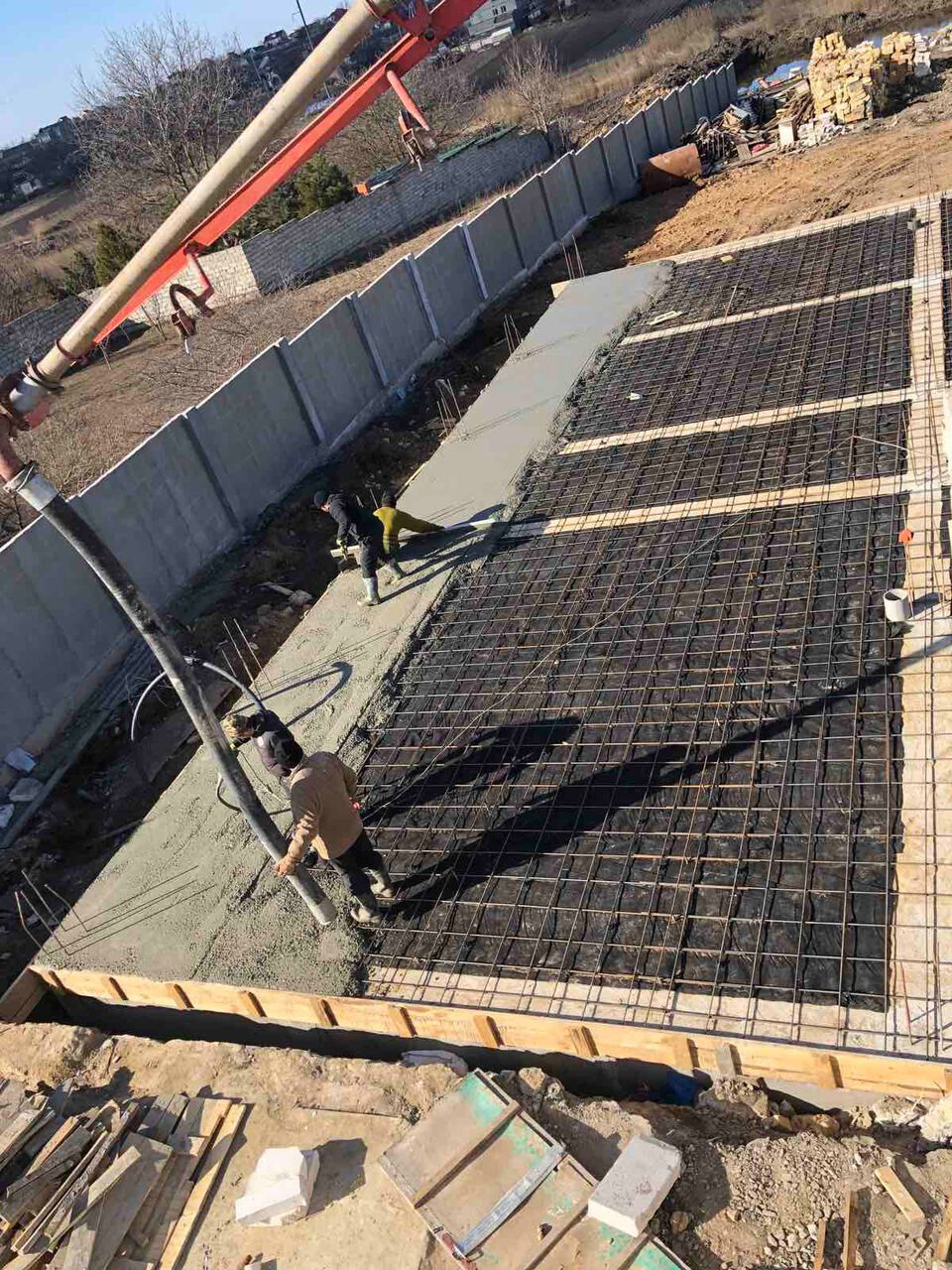
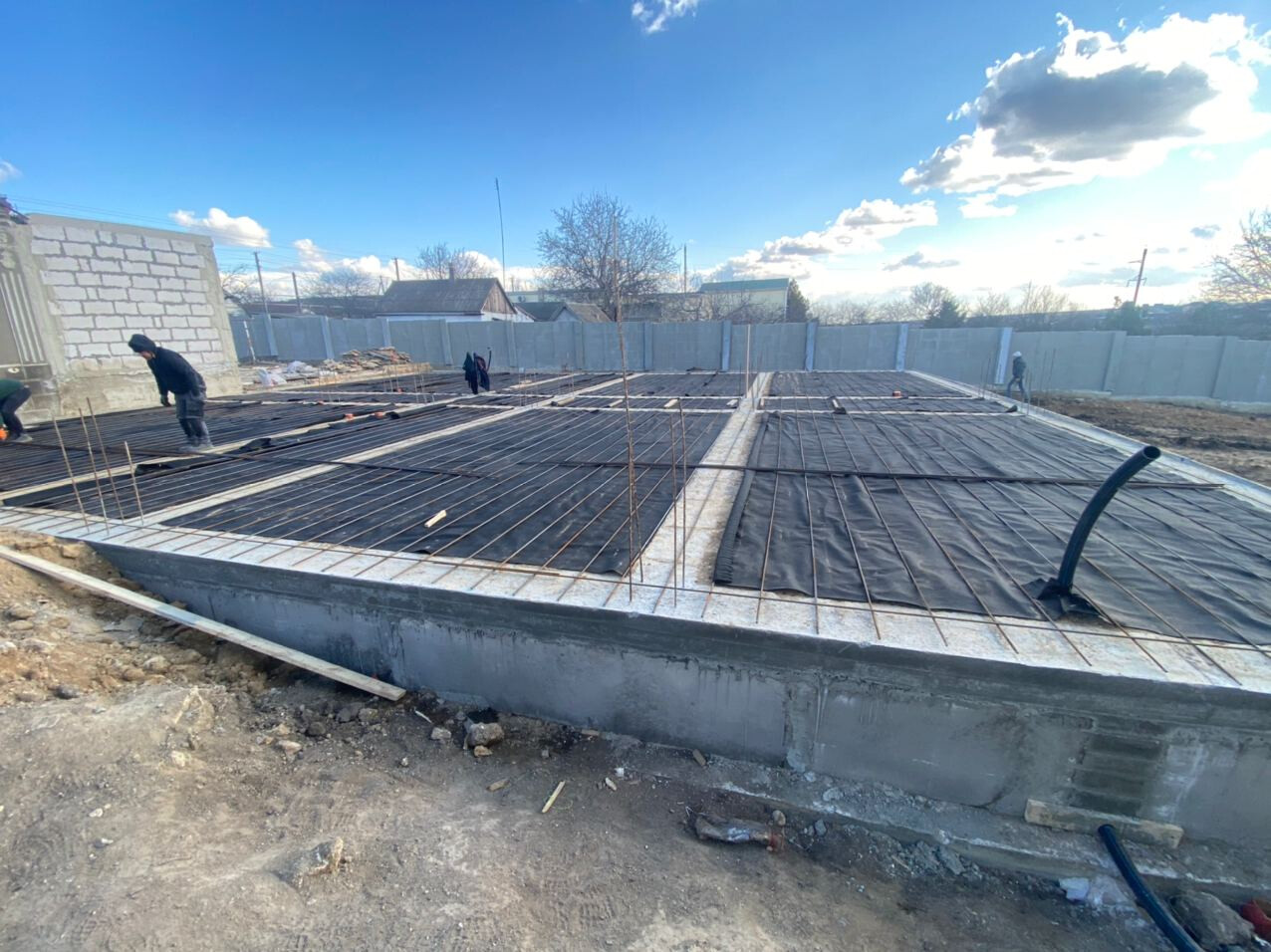
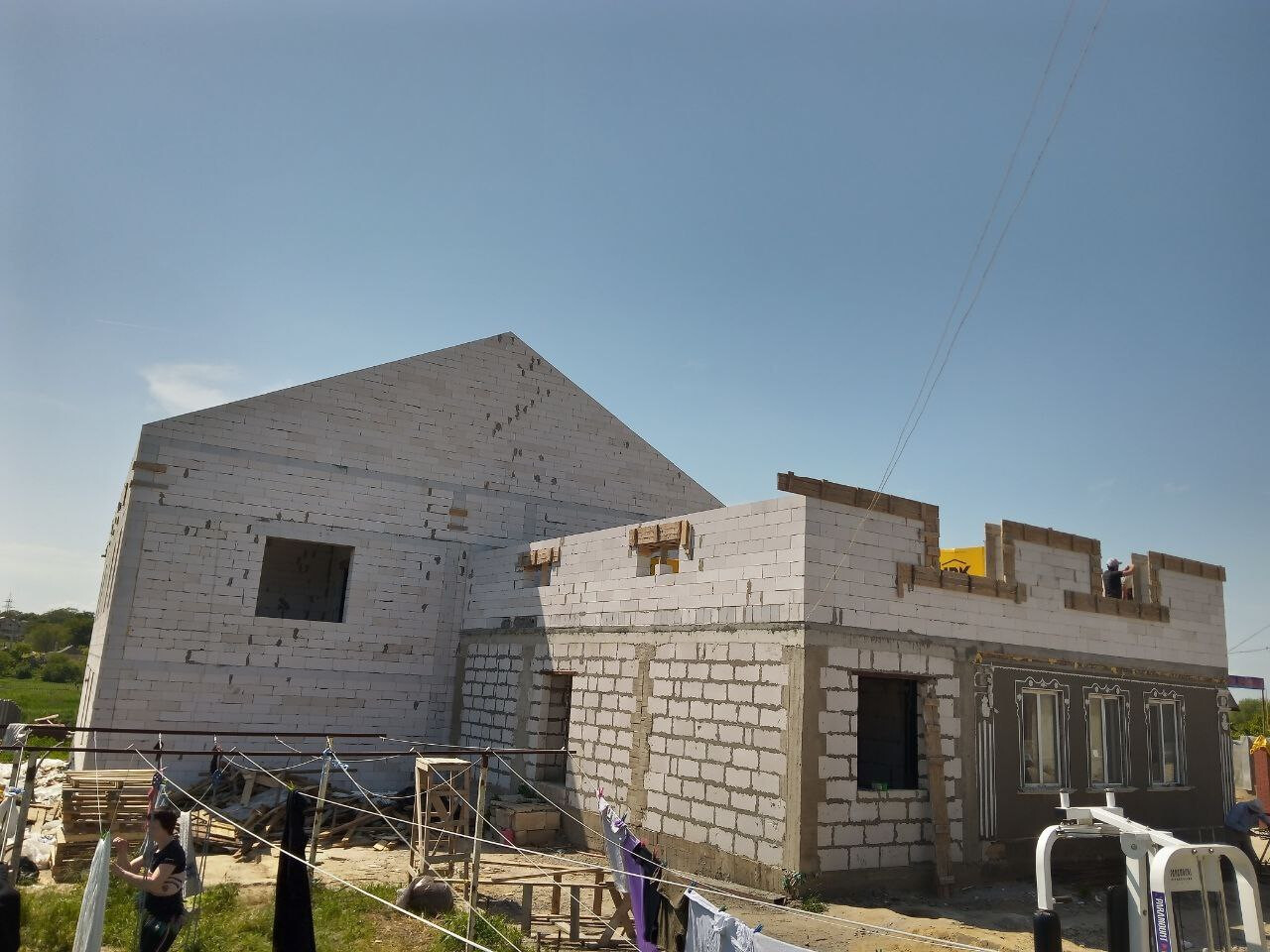
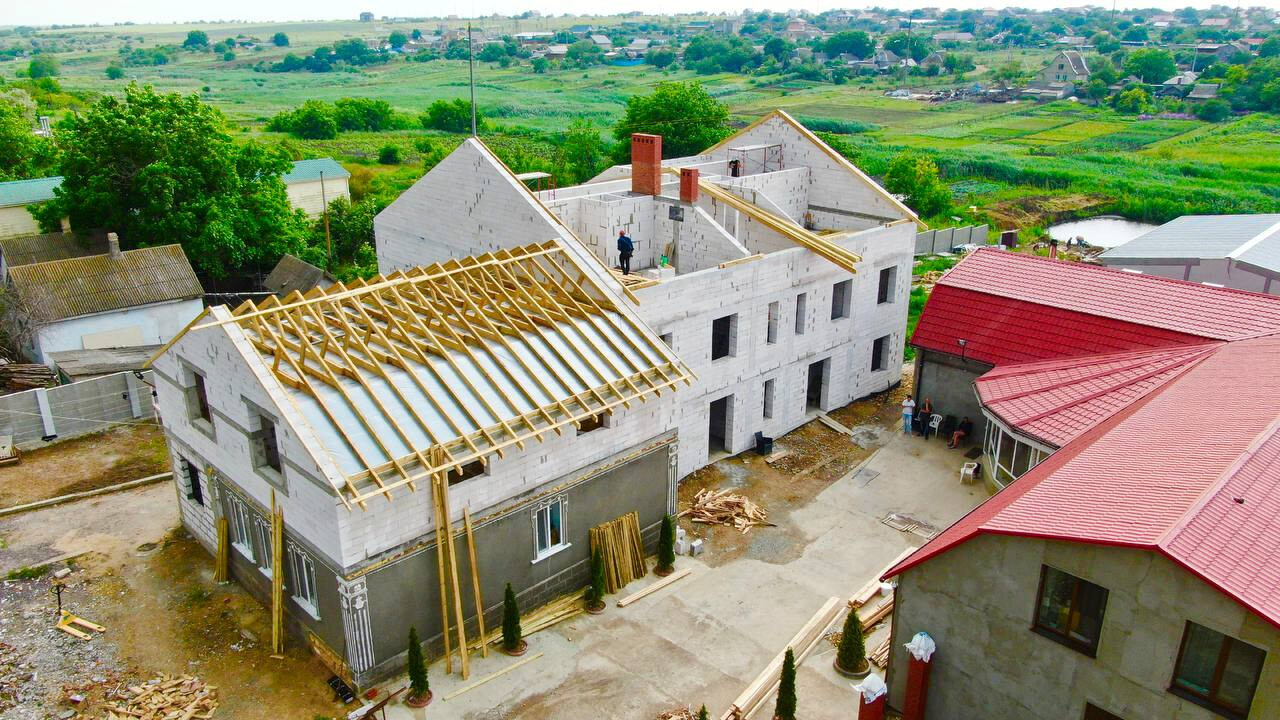
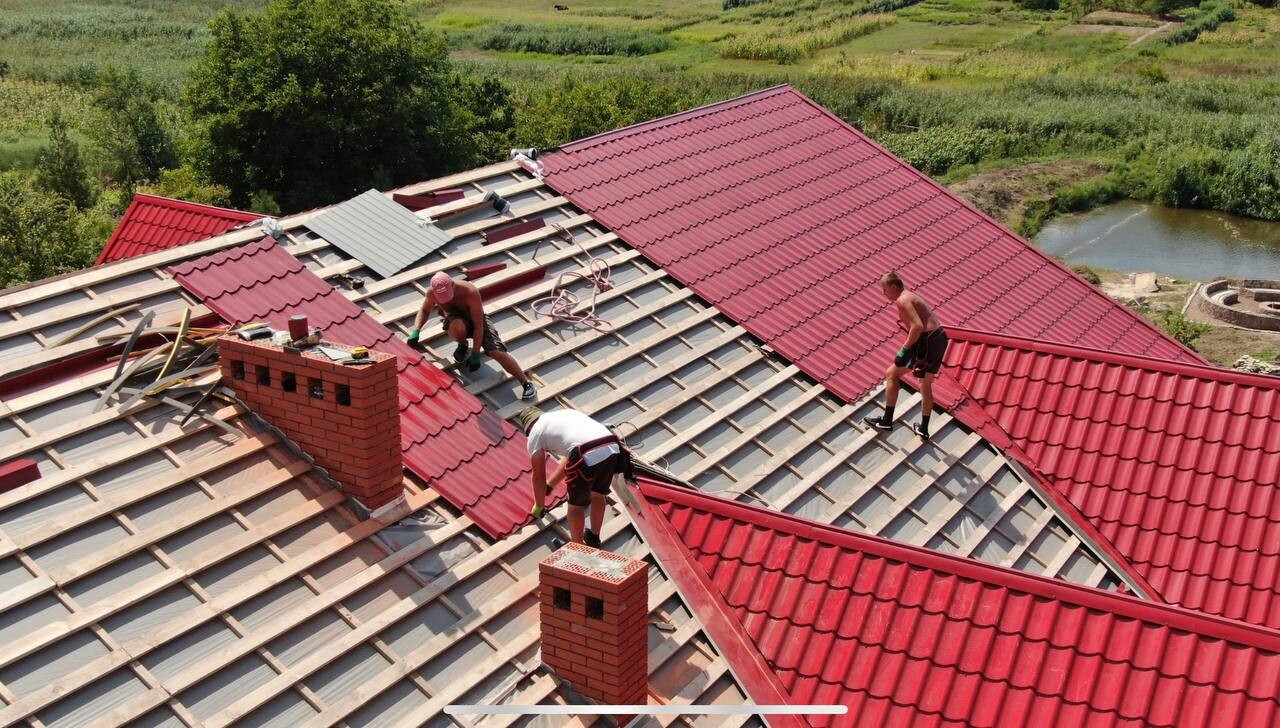
We continued building it—step by step, with no guarantees, sometimes pushing the limits of what was possible. Each subsequent step depended on whether we could find the resources for the previous one. Some decisions had to be made quickly, without a complete picture of what lay ahead.
The house grew gradually: from the foundation to the structure, from the shell to the roof, from exterior work to interior finishing.
At certain stages, a shortage of funding and materials was openly acknowledged. But the process did not stop.
This was not just construction.
It was a decision to continue when most projects were being halted.
As the building went up, the surrounding context was changing too. The number of people who had lost their homes was growing. The number of women with children left without support was growing. The region was taking in internally displaced people while simultaneously facing its own social challenges.
Under these circumstances, the construction project seemed risky.
But that is precisely why they did not stop it.
Because it became clear: if this facility isn’t built now, it will be too late tomorrow.
The Mother and Child Home in Velykyi Dalnyk opened on September 1, 2023, and began operating as a fully functional facility from day one. It is designed to accommodate 30 mothers and 70 children. A team immediately began working there: caregivers, a nurse, cooks, teachers, and trauma-informed psychologists.
Today, it is not just a place to live.
It is an environment where a woman gets a chance to change her life, and a child can grow up in safety. Mothers go from a state of complete instability to acquiring the basic skills for independent living. They learn responsibility and daily living skills, build healthy relationships, and receive psychological support.
Children develop in conditions they have often never experienced before: with education, attention, and care.
We also collaborate with maternity hospitals to provide timely support to mothers and prevent child abandonment.
The Mother and Child Home in Velykyi Dalnyk is not a reaction to a single crisis. It is a response to a problem that is only getting worse. The war has exacerbated instability, loss of housing, and family breakdown, and in these conditions, it is not enough to simply provide short-term assistance.
We need places where people can recover and return to a normal life.
This home demonstrates that even during war, it is possible to build not only walls but also systemic solutions. And that supporting a mother is a way to save a child—and sometimes an entire family.
Other News

HUMANITARIAN CONVOY FROM GERMANY: AID FOR UKRAINE
06.10.2026
HELP FOR THOSE WITHOUT A HOME AND IN NEED OF SUPPORT
05.10.2026
A DELICIOUS MEAL THAT BROUGHT GOD’S FAMILY TOGETHER ON SUNDAY
04.10.2026Supported by